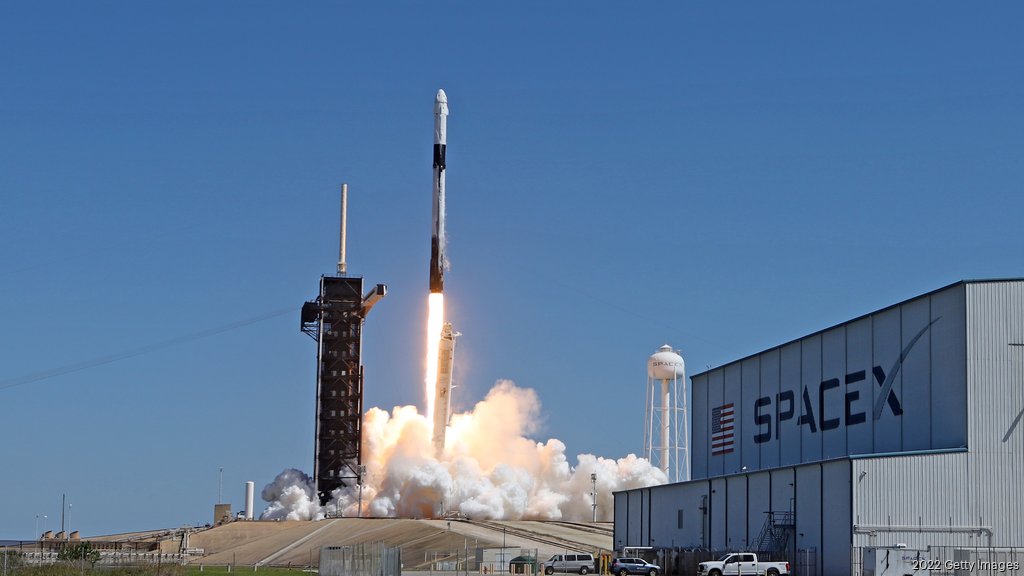
On June 12, 2026, SpaceX went public on the Nasdaq and raised $75 billion, making it the largest initial public offering in history. Its shares were priced at $135, opened around $150, and closed at $160.95. In one afternoon, Elon Musk became the world’s first trillionaire.
What made this moment unusual was not just the size of the number. It was that, for over two decades, Musk had repeatedly resisted taking SpaceX public. So what changed?
What an IPO Actually Means
First, let’s define what an IPO really is. When a company is founded, it is usually privately owned by its founders, early employees, and early investors. These people own shares of the company. If the company grows and becomes more valuable, those shares become worth more.
But there is a catch: private-company shares are not easy to sell. There is no simple public marketplace for them. Your share may be worth a lot on paper, but it is not always easy to turn that value into actual cash.
An Initial Public Offering, or IPO, is the moment a company opens that marketplace to the public. It lists its shares on a stock exchange, like the Nasdaq or the New York Stock Exchange, and for the first time, regular investors with brokerage accounts can buy in.
The company can raise money by selling new shares, early investors may get a path to cash out, and the company takes on new obligations: financial reporting, regulatory scrutiny, and millions of public shareholders whose opinions now matter.
The cost for the company?
Public-market pressure.
Why SpaceX Waited So Long
Elon Musk originally resisted going public because public companies are often pushed toward short-term results. Investors expect quarterly updates, revenue growth, and clearer paths to profit.
That can be a problem for a company like SpaceX, whose original mission was not just to make money, but to make humanity multiplanetary. Expensive rocket development, Mars planning, and long-term infrastructure projects do not always fit neatly into the expectations of public markets.
When thousands or millions of investors are watching every quarter, it becomes harder to justify spending billions on projects that may not pay off for years.
So Why Did Musk Finally Say Yes?
Money. A lot of it.
SpaceX is no longer just a rocket company. Starlink, its satellite internet business, gave the company a steady and understandable source of revenue. That gave investors something real to value instead of only betting on rockets, Mars, and long-term ambition.
At the same time, SpaceX’s future plans became even more capital-intensive. The company is trying to fund huge projects at once: Starship, Starlink expansion, AI infrastructure, and possible space-based data centers.
Those ideas require enormous amounts of money, and staying private may not have been enough anymore. Going public gave SpaceX access to a much larger pool of capital, while Starlink helped make the company look more stable to public investors.
The Bigger Lesson
In short, SpaceX waited until it had two things: a massive need for money and a business strong enough to convince public investors.
Musk did not take SpaceX public because the mission got smaller.
He took it public because the mission got too expensive to fund privately.